[We are re-posting an article from Maple Systems that does a good job of explaining the importance of network communication, and specifically the role of the network switch, in the industrial IoT environment.]
In today’s interconnected environments, from industrial automation to IT infrastructure, managing data flow efficiently is crucial. At the core of many local area networks (LANs) is the network switch.
While seemingly simple, a switch intelligently directs data traffic. It uses each device’s unique MAC address to ensure data packets are sent precisely where they need to go. This targeted delivery allows multiple devices to communicate simultaneously, preventing bottlenecks and ensuring smooth operations.
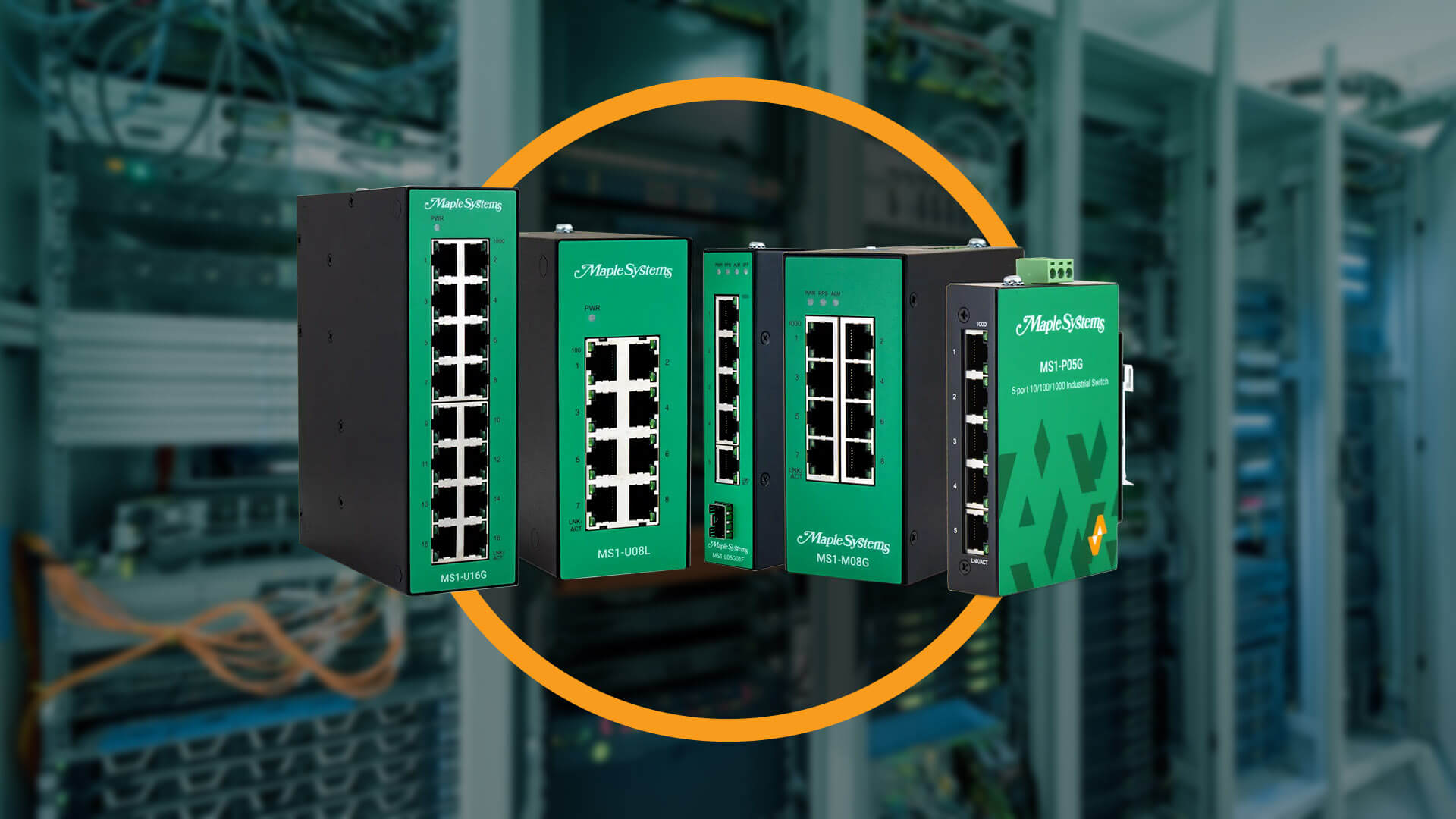
Understanding the different types of switches, from basic unmanaged devices to advanced industrial or managed solutions, they can significantly impact your network’s performance and reliability.
We’ve updated our comprehensive guide, “What is a Network Switch?”, to provide clear insights into:
- How does a network switch work?
- Key differences between switches and routers
- The distinction between Layer 2 and Layer 3 switches
- An overview of industrial, unmanaged, and managed switch types
To deepen your understanding and optimize your network designs, we invite you to read the full article:
For over 40 years AEC Engineering has been New England’s premiere provider of custom designed-and-built UL listed control panels, PLC programming, SCADA software design and programming services, and reliable service & support for all your automation and integration needs. Our fabrication shop is certified UL 508A, 698, and NNNY. Contact us today to learn how AEC Engineering can help you with your next project.